BC Assessment, the LTSA and MLS sold data each show part of a home's sale. Here is what each one tells you, what it misses and which to check before you make an offer.
Written by Hamidreza Etebarian on

To see what a house sold for in BC, check three places: BC Assessment's free property search, a title search from the Land Title and Survey Authority (LTSA), and MLS sold data. Each answers a different question and misses something different. On November 18, 2026, Zealty listing data showed 14,352 homes for sale in the Greater Vancouver board area at a median asking price of $1,125,000, and 7,184 in the Fraser Valley board area at a median of $949,900. Those are asking prices, the number a seller hopes for. Sold prices show what buyers actually paid. Assessed values don't settle it either: the same day, the Metro Vancouver detached listings priced furthest below their assessment were asking about 29% less than their assessed value. This guide covers what each source shows, what it leaves out and when to use it.
A home sale in British Columbia leaves a trail in three systems. Each was built for a different job, so none of them tells the whole story alone.
If you only check one, check MLS sold data. If you're about to make an offer, check all three.
BC Assessment's free Assessment Search shows a property's land and building values for the current and previous year, its size, year built, bedroom and bathroom count, and any applicable recent sales history. It costs nothing and covers every property in BC, including homes that were never listed.
The catch is timing. BC Assessment values every property as of July 1 and its physical condition as of October 31. Section 3 of BC's Assessment Act requires the assessor to deliver each year's assessment notices on or before December 31, so most owners get theirs in early January (Assessment Act, BC, checked November 18, 2026). The 2027 notices arriving this January will reflect the market on July 1, 2026, not today's.
Sign up free to unlock real sold prices and sold dates across Greater Vancouver, Fraser Valley, and Chilliwack.
See Sold PricesFree account required · sold data is hidden until you sign in.
Sales history has its own lag. A sale appears only after BC Assessment has verified it, so a home that sold last month may not show up yet. The search also says nothing about how the sale happened: no asking price, no price cuts, no days on market and no failed listings before it sold.
If your own assessment looks wrong once the notice arrives, section 33 of BC's Assessment Act sets the deadline to file a notice of complaint: January 31 of the year after the roll is completed. January 31, 2027 falls on a Sunday, and BC Assessment has extended weekend deadlines before, so confirm the exact date on its site. Our guide to the BC property assessment and how to challenge it walks through the process.
A title search from BC's Land Title and Survey Authority costs $11.06 (LTSA fee listing, effective April 1, 2026), and myLTSA Explorer adds a service charge per search. It shows the registered owner, the legal description of the land and the charges registered against it, such as mortgages, liens, easements and covenants.
A title search is not built to look up sale prices. Use it for two other jobs: confirming that the person selling a home actually owns it, and seeing what debts or restrictions come with the land. Your lawyer or notary will pull title before completion anyway, but an early search can flag a problem before you spend money on an inspection.
MLS sold data is the only one of the three that shows the whole sale: what the seller asked, every price change, how long the home sat, what it sold for and when. It also shows earlier listings that expired or were pulled without selling, which tells you what the market would not pay.
On Zealty, a free account unlocks sold prices and sold dates across Greater Vancouver, the Fraser Valley and Chilliwack, plus the full MLS price history of a property. Each property page also shows its assessed value, so you can put the asking price, the assessment and past sales side by side.
MLS data only covers homes sold through a listing, so private sales and off-market deals are missing. Days on market can also mislead: when a listing expires and comes back as a new listing, the counter resets. Check the price history for earlier listings before you read much into a low number. Our posts on what days on market tells you and expired listings in BC go deeper.
Start with three to five recent sales of similar homes nearby. Match the property type, size and age as closely as you can. A condo in a 2018 building is not a fair comparison for one built in 1985.
Then look at how those homes sold. Did they go over asking, or did they need two price cuts? Compare each sold price with its original ask, and note how long each one took. Our guide to using sold comps to spot a good deal has a step-by-step method, and the Zealty map lets you draw your own search area.
Finally, check the home you want: its own price history, its assessment and, once you're serious, its title. If you own a home and want a value for it, try the Zealty home evaluation.
Once you know how to see what a house sold for in BC, you can judge an asking price instead of guessing at it. Search sold listings on Zealty with a free account and see what homes near you actually sold for.
This guide is general information, not legal or financial advice. For a question about a specific title or assessment, talk to a BC lawyer or notary, or contact BC Assessment directly.

More than a fifth of BC homes that resold in the last three months went for less than the owner paid. The pattern is not random, and it tracks almost perfectly with the year the seller bought.
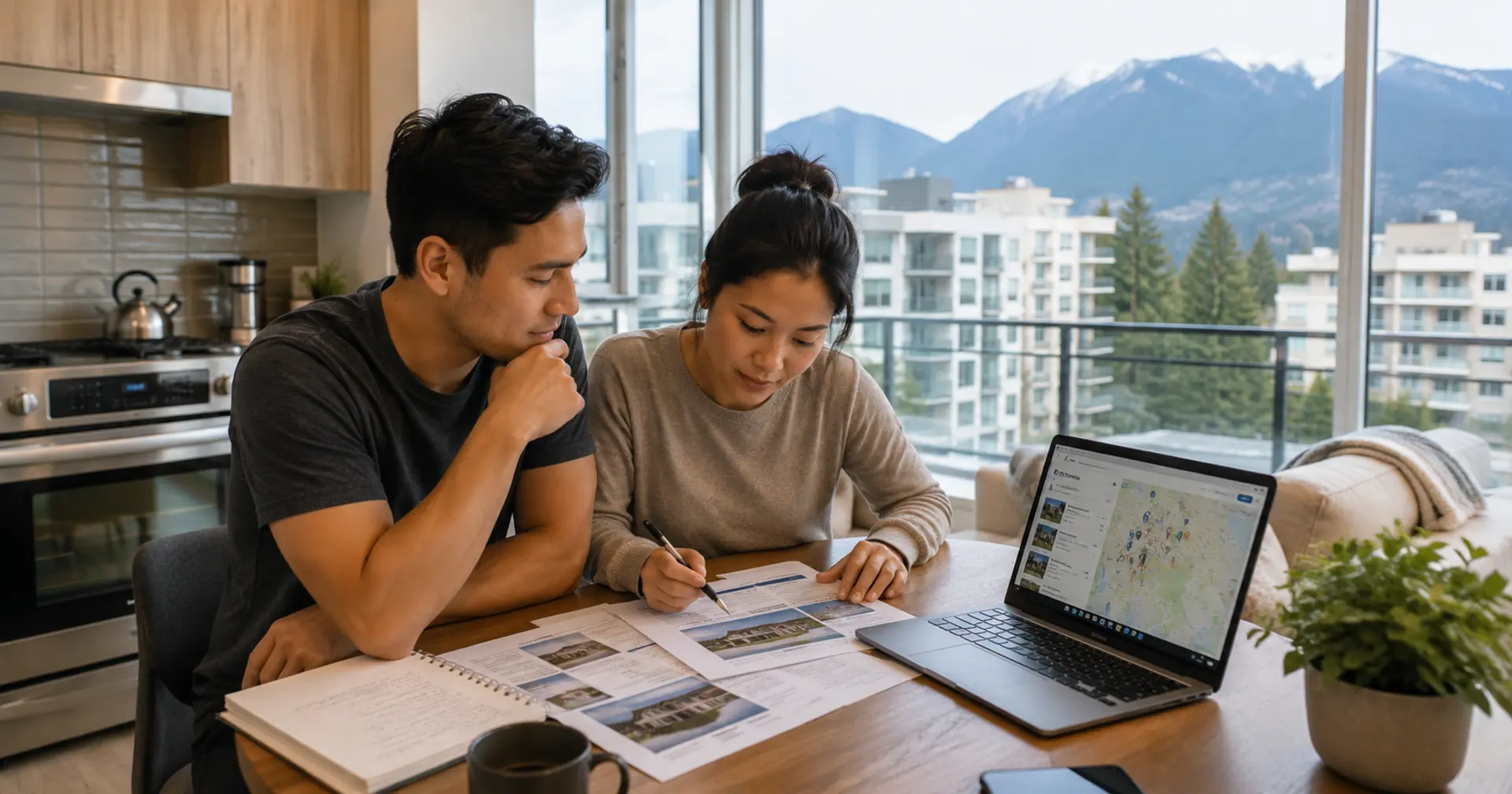
Asking prices are a seller's wish. Sold comps are the evidence. Here is the simple method to judge whether any BC listing is fairly priced, overpriced, or worth a quick offer.
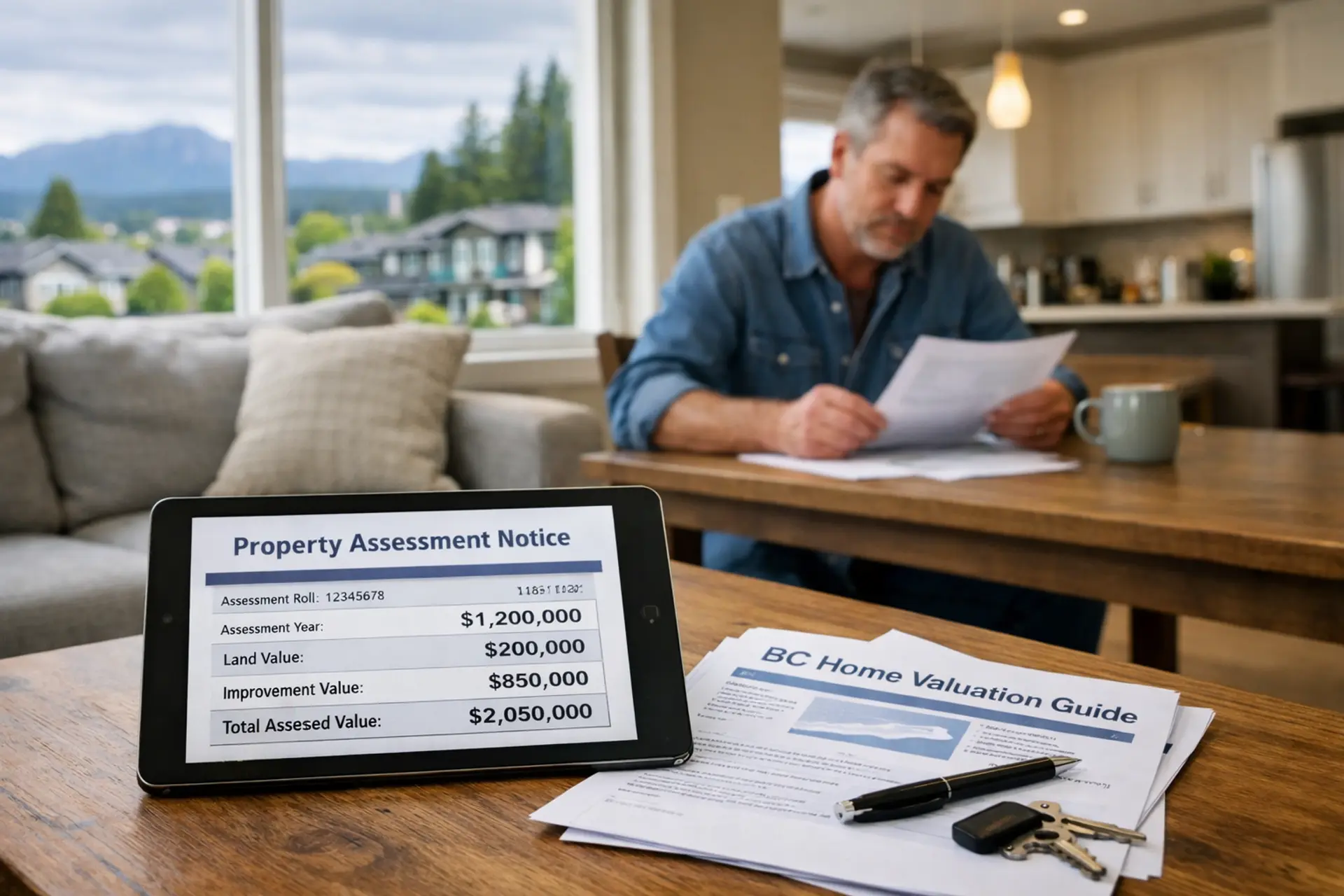
BC Assessment values are set each July 1 and usually come in below market value. Here's how your assessed value is calculated, how it drives property tax, and when it's worth appealing.